Moving forward with Good Agricultural Practice This is the fourth instalment in a series of…
Growing through adversity: Ebrahim Mohamed’s farming journey
When SAPPA first shared Ebrahim Mohamed’s story in February 2023, it introduced readers to a family farming business near Misgund, where a wide range of enterprises worked together on one farm. Today, that diversity remains central to the family’s approach, helping them navigate difficult seasons while building towards a stronger future in pecan production.
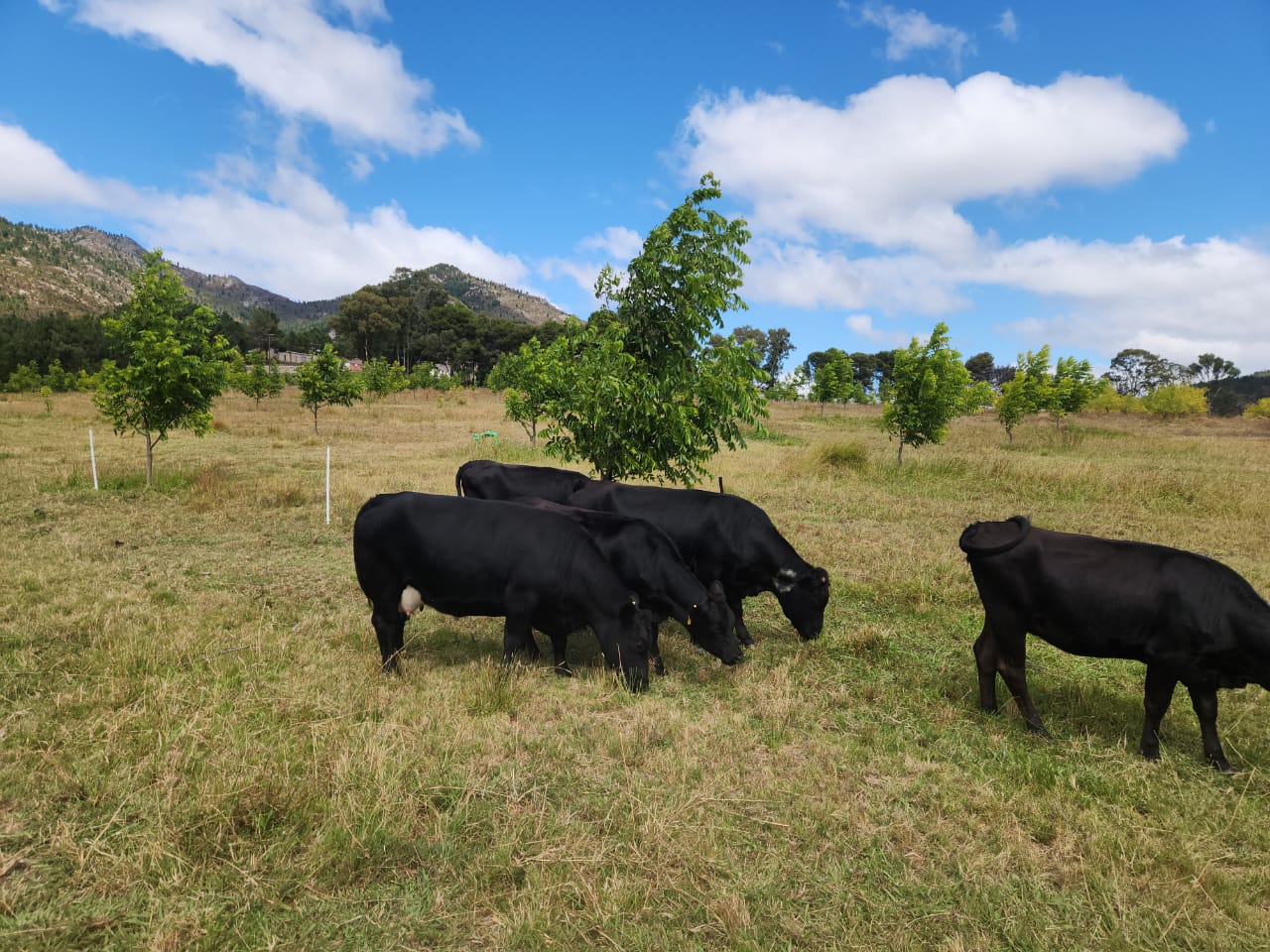
The family bought the farm in 2007, coming from a non-farming background. Ebrahim now runs the business alongside his five brothers-in-law. Together, they farm olives, prunes, pecans, almonds and broilers, with a small cattle component.
Over the years, their focus has extended beyond growing and selling a crop. They have deliberately chosen enterprises that offer opportunities for processing, longer shelf life and direct sales to consumers. For Ebrahim, this has been one of the business’s most valuable decisions: finding ways to earn more from smaller production volumes while spreading risk across different activities.
Direct-to-consumer marketing, he says, has helped bring financial stability to the business.
A challenging start for pecans
The family planted their first pecan trees in 2018. Their orchard now covers 9.3 hectares, with 1,206 trees. However, the journey towards commercial production has been disrupted by a succession of damaging events.
Fires in 2024 damaged trees and irrigation infrastructure. Drought followed in late 2025 and early 2026, before flooding brought further setbacks during 2026. For a developing orchard, these events have made an already demanding establishment period more difficult.
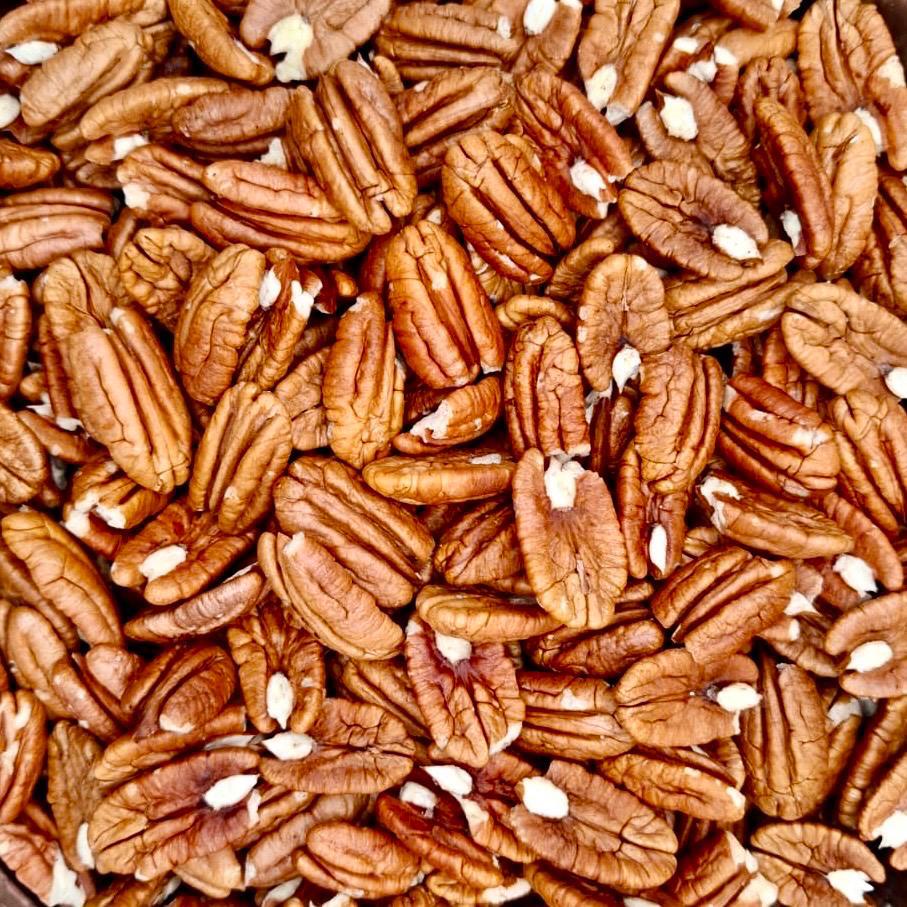
The most recent pecan harvest was very small, but Ebrahim is encouraged by the outlook for the coming crop. His hope is for the pecan enterprise to become commercially viable within the next two years.
Alongside this, he hopes to source small-scale processing machinery that will allow the family to process pecans on the farm and develop value-added products. It is a natural extension of the approach they have taken across the business: creating additional value from what they produce.
Practical support along the way
SAPPA has supported the development of the pecan enterprise by facilitating access to trees, irrigation for 1.4 hectares and fertiliser, together with ongoing technical advice.
This combination of establishment support and continued guidance forms part of SAPPA’s contribution to the farm’s development. The family’s experience also highlights why support for developing growers needs to look beyond planting day, as orchards mature and farmers respond to changing conditions.
Learning from the soil up
Asked what he would have done differently, Ebrahim’s answer is straightforward: he wishes he had understood the importance of soil health sooner.
It is a lesson that sits alongside the decision he is most proud of—diversifying the business and creating opportunities to add value. Both reflect a growing understanding of what the farm needs to remain productive and financially sustainable.
Since our first visit, Ebrahim’s story has become one of persistence through considerable setbacks. The family’s next goal is clear: bring the pecan orchard into commercially viable production and build the capacity to process more of its crop on site.
SAPPA looks forward to continuing this journey with Ebrahim and his family as they work towards that goal.

Related Posts