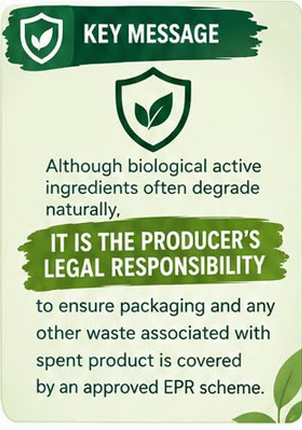
The South African Bioproducts Organisation (SABO) reminds growers and suppliers that although certain biological active…

SAPPA’s Transformation Programme: Growing Orchards and Opportunities
From an initial allocation of 160 trees to four farmers in 2014, SAPPA’s transformation programme has grown to support 83 successful beneficiaries, including 20 small-scale commercial farmers with orchards exceeding 10 hectares. This progress reflects a sustained commitment to helping farmers establish and expand their participation in the South African pecan industry.
SAPPA’s transformation expenditure covers four areas: enterprise development, skills development, socio-economic development and management control. Enterprise development remains the programme’s main focus, supported by investments in training, education and practical assistance.
Supporting farmers from establishment to expansion
The programme began in SAPPA regions 6 and 7, where four farmers received a combined total of 160 trees. Two of these farmers subsequently received further assistance to expand their orchards to more than 10 hectares each.
Between 2014 and 2026, SAPPA provided more than 34,000 pecan trees to beneficiaries. New beneficiaries normally receive between 30 and 40 trees, allowing them to establish an initial orchard and demonstrate progress before being considered for further support.
Assistance extends beyond trees to include establishment costs, production inputs and pruning equipment. Where SAPPA personnel are unavailable, consultants are contracted to assist beneficiaries.
Although smallholder farmers continue to receive support, the programme’s emphasis has gradually shifted towards small-scale commercial farmers. These farmers may also qualify for assistance with capital improvements and equipment to support the development of their farming operations.
Developing skills and supporting communities
Skills development complements the investment in orchards. SAPPA supports bursaries for students working on its research projects, assistance to learners at agricultural schools, and training for programme beneficiaries. These activities help develop the knowledge and practical skills needed within the industry.
Through its socio-economic development activities, SAPPA also supports the establishment of orchards at schools and organisations serving predominantly black learners and beneficiaries.
Management control forms the fourth component of transformation expenditure and includes the salary and related costs of SAPPA’s black director and staff.
Through these investments, SAPPA’s transformation programme connects access to trees and production resources with the skills and ongoing support needed to develop farming enterprises and broaden participation in the pecan industry.
Related Posts