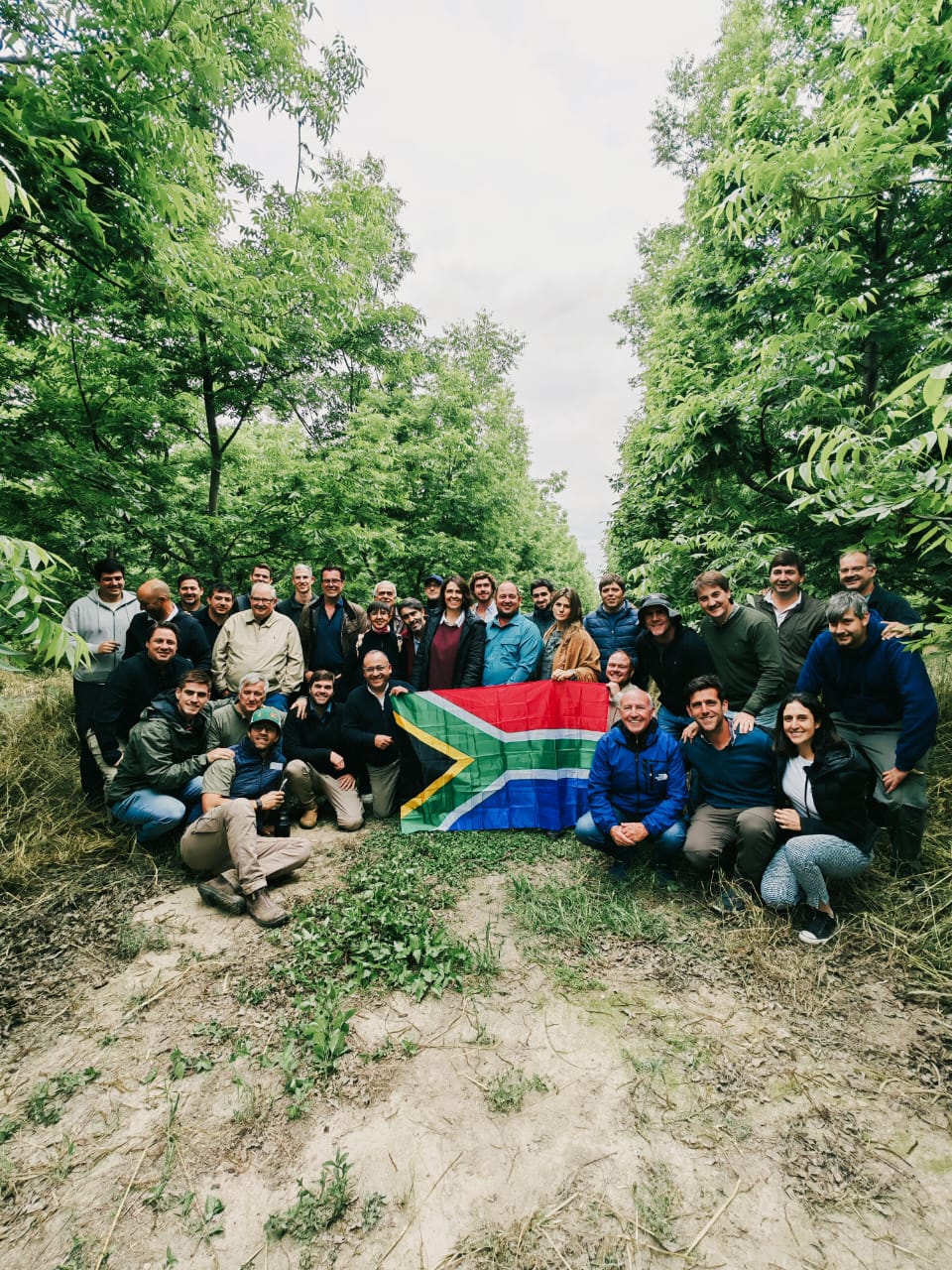
’n Afvaardiging van SAPPA se tegniese personeel het gedurende Oktober Suid-Amerika besoek om bande te…
Moving forward with Good Agricultural Practice
This is the fifth instalment in a series of articles clarifying the need and drivers for Good Agricultural Practice (GAP) in Pecan nut production, and guidance on its main elements & their on-farm management.
Minimizing Food Safety Hazards in Management of Water Resources:
Water is widely used across various farming operations and as for all types of farming, water plays an essential role in pecan production. This raises the importance of monitoring water quality in support of complying with food safety requirements. The main source of a water supply is often not in close proximity of farm operations and in its journey water may pass many points of potential contamination. Whether above ground or below ground water is always on the move. It is used for irrigation, applying pesticides, cleaning equipment, and supporting worker hygiene. However, water can also be a source of contamination if it contains harmful microorganisms, chemicals, or other pollutants. Water provides an effective environment for pathogens survival and spread. For this reason, Good Agricultural Practices (GAP) will require strong emphasis on effective water management and use monitoring as well as all associated activities.
Contaminated water can introduce food safety risks to pecan orchards. Harmful bacteria, chemical residues, heavy metals, and excessive salts can affect both crop quality and consumer safety. Ensuring that water is safe helps protect the orchard, workers, and the final product.
The value of regular water testing:
Before water is used on farm it may be exposed to sources of pollutants and contamination due to industrial activity and human settlements in close proximity of waterways. Analytical testing of water for presence of microbes should be conducted at least on an annual basis. This should generally be sufficient for most water sources, but more frequent testing may be needed when water quality changes with the seasons.
Surface water sources such as rivers, dams, and streams require special attention. The quality of surface water can change due to rainfall, upstream farming activities, wildlife, water flow rates, and other environmental factors. Because of these variations, growers are encouraged to test surface water several times throughout the growing season. Multiple tests help establish a reliable picture of the water’s average quality and identify unusual contamination events. In addition to microbial testing, annual testing for heavy metals and salt levels is recommended under conditions and in geographic regions where sources of possible contamination is known.
Where shared water sources are used in a farming community it will be acceptable for a single test to serve multiple growers provided that there are no potential sources of contamination within the community.
As for all other activities required under GAP keep water testing reports chronologically on record as they will be requested during audit. Keeping such records on file also helps growers to track changes in water quality over time.
Using only safe water for on farm activities:
Potable water, which is water that is safe for drinking, should always be used for:
- Mixing and applying pesticides.
- Cleaning equipment and tools.
- Worker handwashing and hygiene activities.
If water is obtained from a municipal or other controlled source, growers should obtain water quality reports from the responsible authority. When such reports are unavailable, farm-level testing should be conducted as and when required.
Recycled or reclaimed water can be used for irrigation only if it receives tertiary treatment. This advanced treatment process helps ensure the water is safe and suitable for agricultural use.
Water sources should at all times be protected from contamination:
- Store manure at least 100 metres away from water sources.
- Keep livestock and animal housing at least 100 metres away from water sources.
- Locate ablution and sanitation facilities more than 100 metres from water sources.
- Compost piles and waste pits for organic waste should be at least 100 metres from water sources.
These measures reduce the risk of pathogens and pollutants entering the water supply.
Maintenance of water supply systems:
Water systems should be designed and maintained to prevent contamination. Growers should:
- Install anti-backflow or check-valve devices on plumbing systems.
- Eliminate cross-connections between different water supplies.
- Ensure all water connection points are protected from soil, plant material, insects, rodents, and other contamination sources.
Assess environmental risks on a continuous basis:
Growers should regularly assess and document potential sources of water contamination near their farms. These may include:
- Landfill sites.
- Sewage treatment plants.
- Storm water runoff.
- Leaching from neighbouring farms.
- Composting operations.
- Concentrated animal production facilities.
- Wildlife and domestic animal activity.
Understanding and managing these risks allows growers to take preventive action before water quality is affected.
Clean water is one of the most important factors in producing safe, high-quality pecans. Through regular testing, proper record-keeping, protection of water sources, and careful risk assessment, growers can reduce contamination risks and meet GAP requirements. Good water management not only protects the crop but also strengthens consumer confidence in the safety and quality of pecan products.
Orchard Floor Management and the Potential for Introducing Food Safety Hazards:
The orchard floor can be a significant source of contamination because pecans come into direct contact with soil, debris, dust, and moisture during harvest.
Main hazards:
- Microbial contamination from pathogens such as Salmonella.
- Physical contamination from debris, glass, metal, and other foreign materials.
- Increased contamination risk after rainfall, flooding, or excessive soil moisture.
- Spread of pathogens through dust generated during harvesting.
Recommended practices:
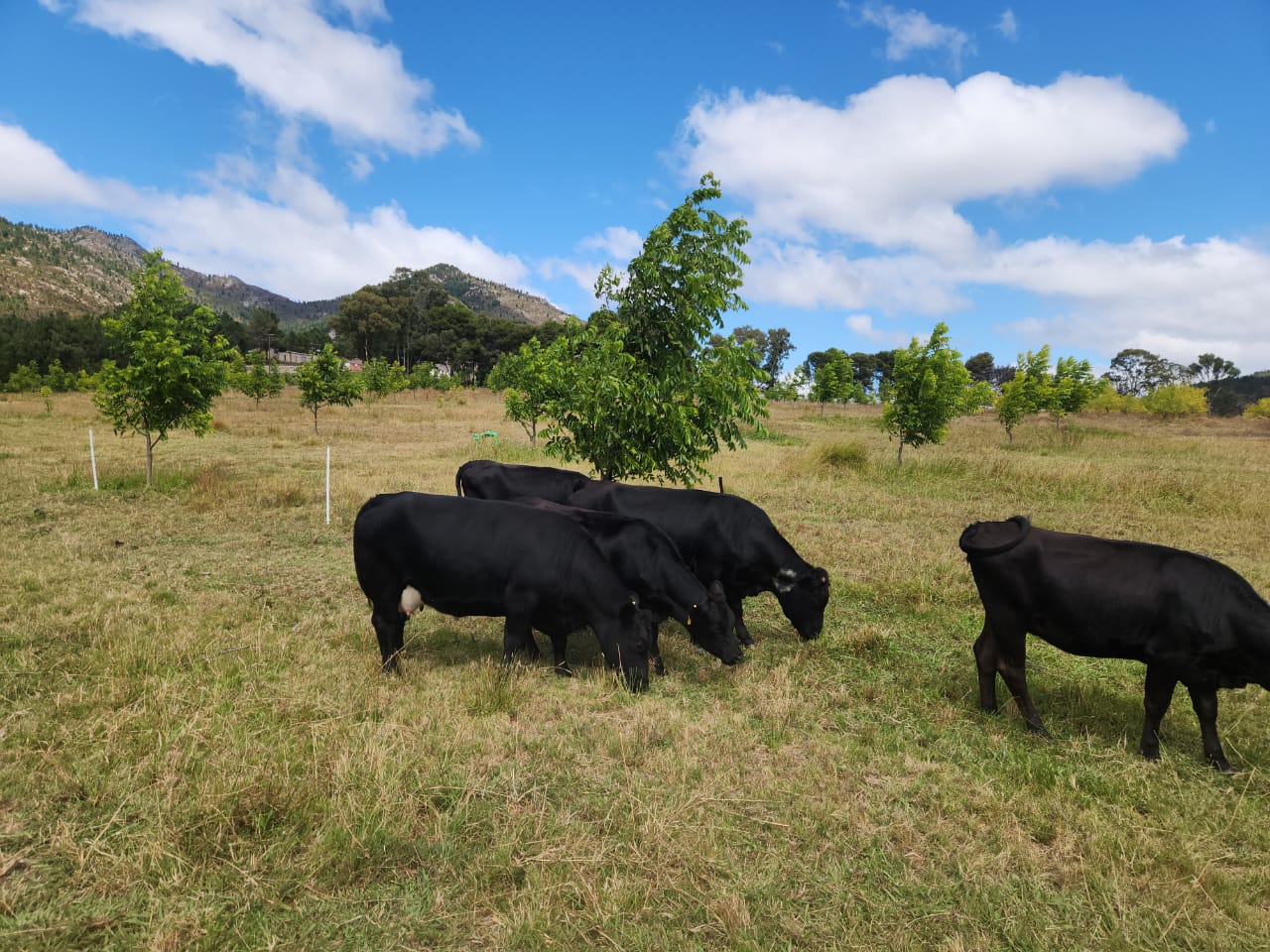
- Limit domestic animal and wildlife access to orchards closer to harvest. There is a growing awareness of the benefits of grazing animals in the orchard. Where this is the case the level of control / management of grazing will also manage any potential hazards. Keep weeds short or controlled under the tree canopy so that feeding by grazing animals is restricted to the inter-row space.
- Fence orchards as needed and control animal movement and install cattle grates where needed.
- Identify nearby livestock, poultry, manure, and compost operations that may affect the orchard.
- Develop response procedures to mitigate flooding.
- Control rodents and other pests through habitat management and professional pest control where necessary.
- Maintain clean and effective water run-off systems and prevent standing water.
- Remove debris, damaged nuts, branches, and plant residues that may harbor pests or pathogens.
- Minimize dust during harvest operations.
- Keep orchard floors level and as dry as practical before harvest.
- Prohibit food containers, glass, and metal materials in production areas.
These activities are all important as pathogens can survive, spread, and potentially penetrate nut shells through cracks, increasing food safety risks and the likelihood of foodborne illness.
Soil and the use of Fertilizers and Soil Amendments:
Proper nutrient management supports orchard productivity while minimizing environmental and food-safety risks.
Use of Fertilizers:
- Conduct regular soil and leaf analyses before fertilizer applications.
- Avoid over-application to prevent nutrient imbalances and environmental pollution.
- Use only registered fertilizers.
- Maintain records of analyses, purchases, application dates, and quantities.
- Foliar fertilizers may be used to correct deficiencies when necessary.
Risks associated with manure and organic amendments:
- Raw or poorly composted manure can introduce human pathogens.
- Pathogens may survive in soil for extended periods after manure application.
- Pecans are particularly vulnerable because harvested nuts contact the orchard floor.
Best practices for manure and compost:
- Prefer properly composted material over raw manure.
- Store manure away from orchards and water sources.
- Test compost for microbiological safety where possible.
- Incorporate compost into soil promptly after application.
- Maintain at least a 100 m buffer between manure storage and water sources.
- Do not apply compost within 120 days of harvest.
- Keep detailed records of sources, deliveries, applications, and testing.
- Thoroughly clean application equipment after application.
It is recommended that a traceable record is maintained for all orchard floor management practices which should include:
- Soil type and drainage characteristics.
- Production history and previous land use.
- Adjacent land uses, especially livestock operations.
- Wildlife movement risks.
- Details of all fertilizer applications and soil amendments.
- Soil testing results and any investigations following flooding or contamination events which may enhance the presence of food safety hazards.
Food safety begins in the orchard. Reducing contact with pathogens & pollutants, controlling movement of animals and wildlife in the orchard, managing water effectively, using fertilizers and soil amendments responsibly, and maintaining detailed records are all essential practices in a GAP program for producing safe, high-quality pecan nuts while protecting environmental health.
In the final instalment of this series we will explore safe handling practices during harvest.
Related Posts