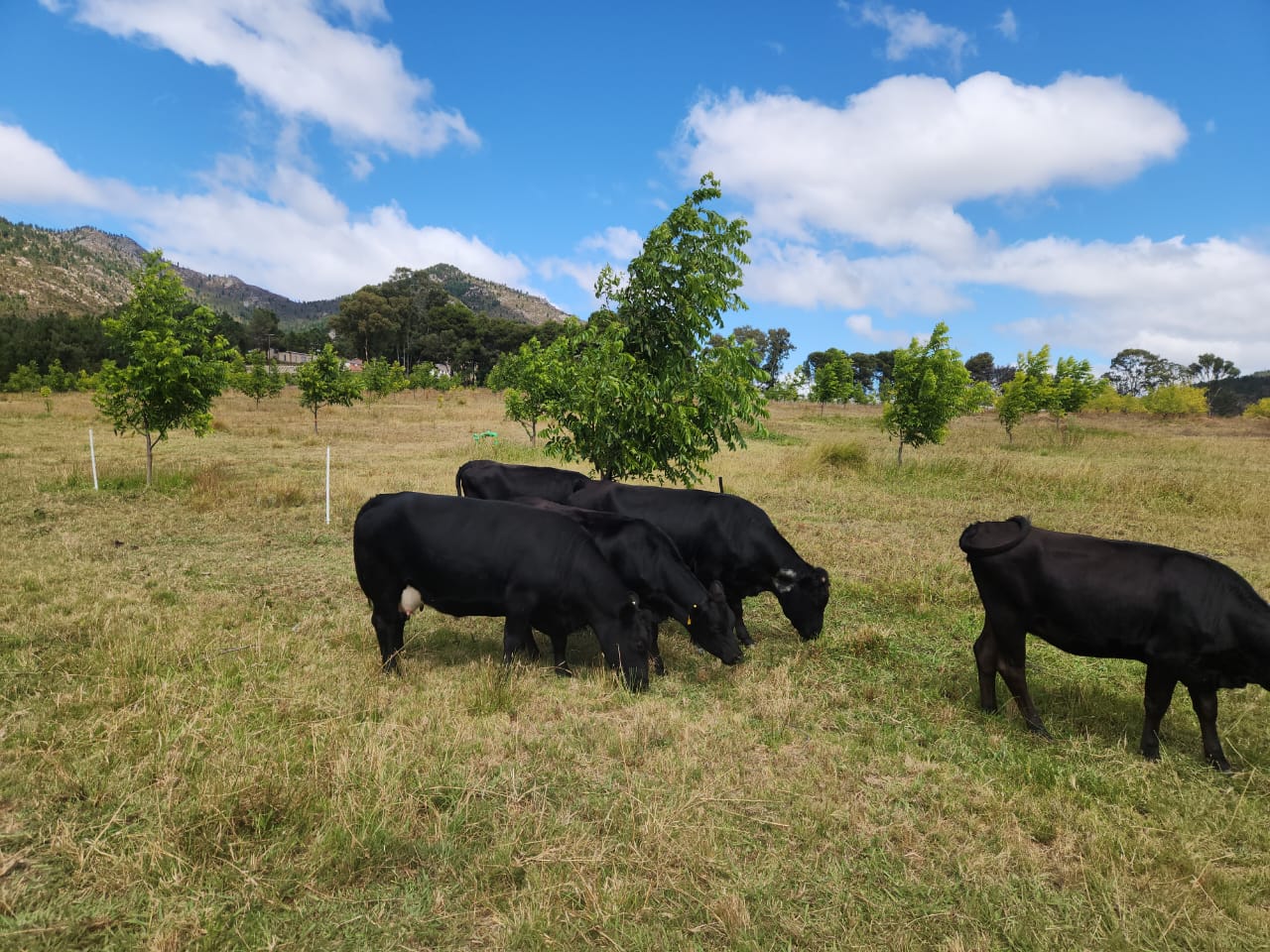
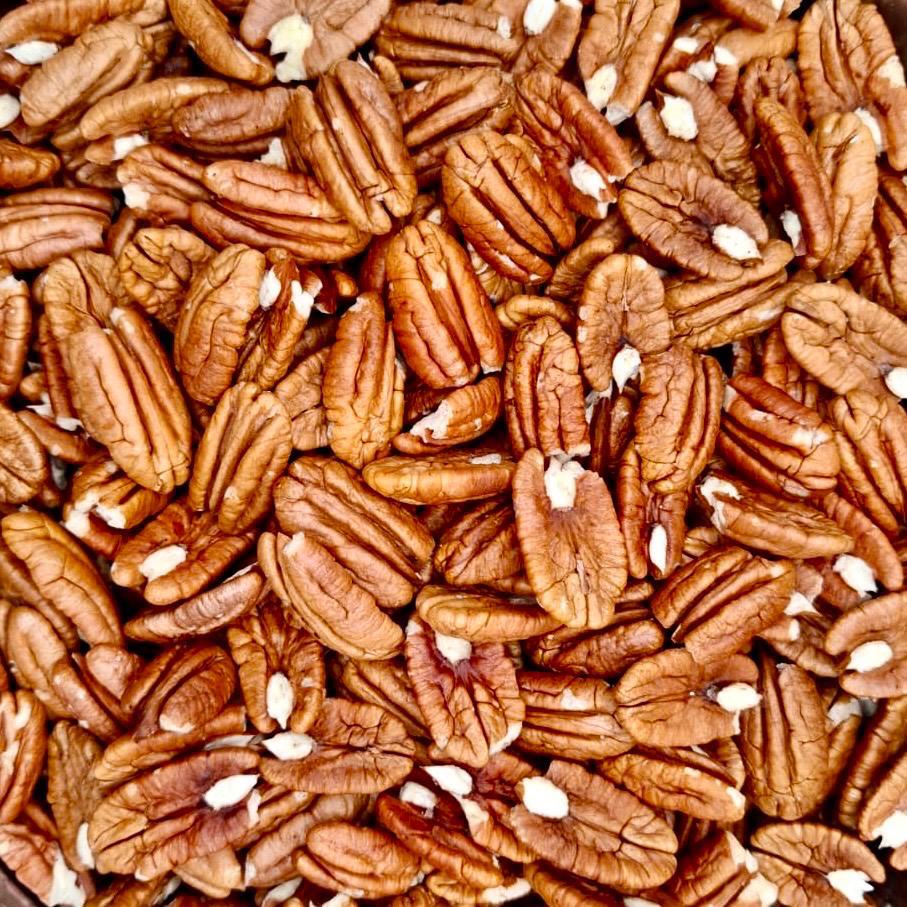
When SAPPA first shared Ebrahim Mohamed’s story in February 2023, it introduced readers to a…

Good Practice Guide on Scouting and Managing Fig Tree Borer in Pecan Orchards
Identification and seasonal occurrence
The Fig Tree Borer forms part of the longhorn beetle family (Boktor in Afrikaans). These beetles are indigenous to South Africa and can complete their life cycle in pecan trees. Adult beetles are active during mid-summer, December to February, during which time they mate and lay their eggs. The adult beetles (see fig 1 and 2) feed on the bark of young shoots during this period. Larvae are typically cream-white in colour and range in size from 3cm to 7cm (see fig 3). They hatch from eggs and bore into the wood where they feed and tunnel just below the bark’s surface. In fig trees this life stage can last for up to 3 years. During this time the larvae develop to their full size while continuing to feed on the tree. Larvae develop into pupae within this tunnel structure and the mature beetles emerge from these tunnels by creating a round to oval emergence hole about 1 cm in diameter. Feeding damage can occur across the tree but is usually limited to thicker branches or the main stem of the tree. Indications of feeding damage can include the following:
- Yellowing of the tree or a part thereof due to ringbarking, although many trees do not show this symptom. (Fig 4 and 5)
- Plant sap leaking from the frass filled tunnels. During September to November when the sap flow of the tree is high this is a good indicator.
- Frass extruding out of the feeding tunnels (see fig 6). This can be observed any time during the season.


Fig 1 and 2 Photo credit Dr JL Hatting, Andermatt-PHP. Adult Fig tree borer beetle

Fig 3. Fig tree borer larvae, photo credit H du Toit-SAPPA


Fig 4 and 5 showing tree yellowing and causative ringbark damage indicated by the arrow. Photo credit H du Toit-SAPPA


Fig 6 Photo credit, H du Toit-SAPPA. Frass pushing through holes in the bark.
Damage and control
Damage to pecan trees is mainly limited to the larval stage of the life cycle. During this time larvae can create tunnels 1cm to 4cm wide and 30cm to 100cm long and in the process the tree’s main stem or scaffold limbs can be ringbarked by the feeding damage. Multiple feeding tunnels might be found on a single tree, each with only one larva per tunnel. Only a couple of cases of tree death due to feeding damage has been reported over the years.
Currently there is no chemical treatment available for the control of fig tree borer on any crops in South Africa. This includes both the larval and adult life stages. Feeding damage occurs sporadically across orchards and production areas. Current control measures are focused on the detection and eradication of the larvae. Regular, thorough scouting of the orchard is essential to detect the larvae. Repeat the scouting process during different times of the growing season as some of the indicators of feeding damage are limited to the early part of the season. Opening the feeding tunnels and manually killing the larvae have shown to be an effective control measure in the past in many orchards.
With our current knowledge of the fig tree borer, regular scouting and mechanical control is the best way of controlling this pest and its impact on pecan production.
Related Posts