When SAPPA first shared Ebrahim Mohamed’s story in February 2023, it introduced readers to a…
Moving forward with Good Agricultural Practice
This is the second instalment in a series of articles clarifying the need and drivers for Good Agricultural Practice (GAP), and guidance on its main elements and their on-farm management.
Potential food safety hazards in pecan nut production
From the onset it would be perfectly justifiable for a pecan nut producer to question the possibility of food safety hazards in their product. By nature it is a fairly low moisture commodity and is protected in a hard shell through the growing season and even through the harvest process.
The intensification of agriculture, antibiotic resistance in microbes from their continuous use in animal production, human behaviour and microbial adaptation are some of the reasons why the concern about the risk of illness from microbial contamination in food borne microbes has become a mainstream topic. Among these the most significant is Salmonella, a well-adapted microbe that is responsible globally for an estimated 90 million infections and over 150 thousand associated deaths annually. This makes Salmonella by far the leading cause of foodborne illness.
While Salmonella traditionally was mostly associated with poultry products and other meats, recent history has shown that food related illness and deaths attributed to Salmonella have been reported from sources previously considered as low risk eg. a variety of tree nuts, spices such as black pepper and paprika, ready to eat chocolate and many more. What makes Salmonella and other microbes associated with foodborne illness so significant is that they have adapted to resist heat treatment, are well adapted to survive at low water activity and are easily transmitted in the food handling chain. One of the major differences between microbes and other food safety hazards is that once introduced, they have the ability to multiply when conditions become favourable for their growth. What makes Salmonella of specific concern is the ability to be infectious at very low levels eg. less than three bacterial cells present in on gram of produce!
Our expanding knowledge and continuous scientific development defines the hazards that we need to deal with and it is through implementation of our processes such as GAP that we can manage and reduce the risk. Maybe a good point to pause and revisit the concepts of hazard and risk, as these two terms and their meaning often become diluted and confused.
- A hazard is the presence of a biological, chemical, physical or other agent that may cause a product to be unsafe for consumption.
- Risk however is a function of the probability and severity of an adverse health effect due to a presence of a defined hazard in food. In other words risk is the chance of exposure to a hazard and the fewer or lower levels of hazards the lower the risk of food borne illness.
The importance of our agriculture in the export market cannot be over stated. The requirement for good practices and food safety related audits are now common place, as is required by export customers. Compliance with such requirements does have the further advantage of providing flexibility of access to a variety of global markets.
The pecan nut grower often does not have insight, control or certainty on how the product harvested on his or her farm will be handled and processed prior to consumption. This is irrespective of the format, shelled or unshelled in which the nuts are traded. It is therefore vital that that processors and consumers are receiving nuts free of pathogens and other food safety hazards since many uses of nuts do not include effective pathogen inactivation steps. Understanding the routes of possible nut contamination, the pathogens commonly associated with nuts, and the implementation and improvement of processes to reduce possible contamination is of upmost importance.
Food safety hazards are not limited to microbes and are covered in three main categories – biological, physical and chemical.
- Biological — contamination from bacteria such as Salmonella and coli. As well as yeasts and molds.
- Physical — contamination from foreign materials that could cause illness or injury, such as stones, glass and metal fragments.
- Chemical — contamination from chemicals, including crop protection chemicals, persistent organic pollutants, heavy metals, food allergens and mycotoxins.
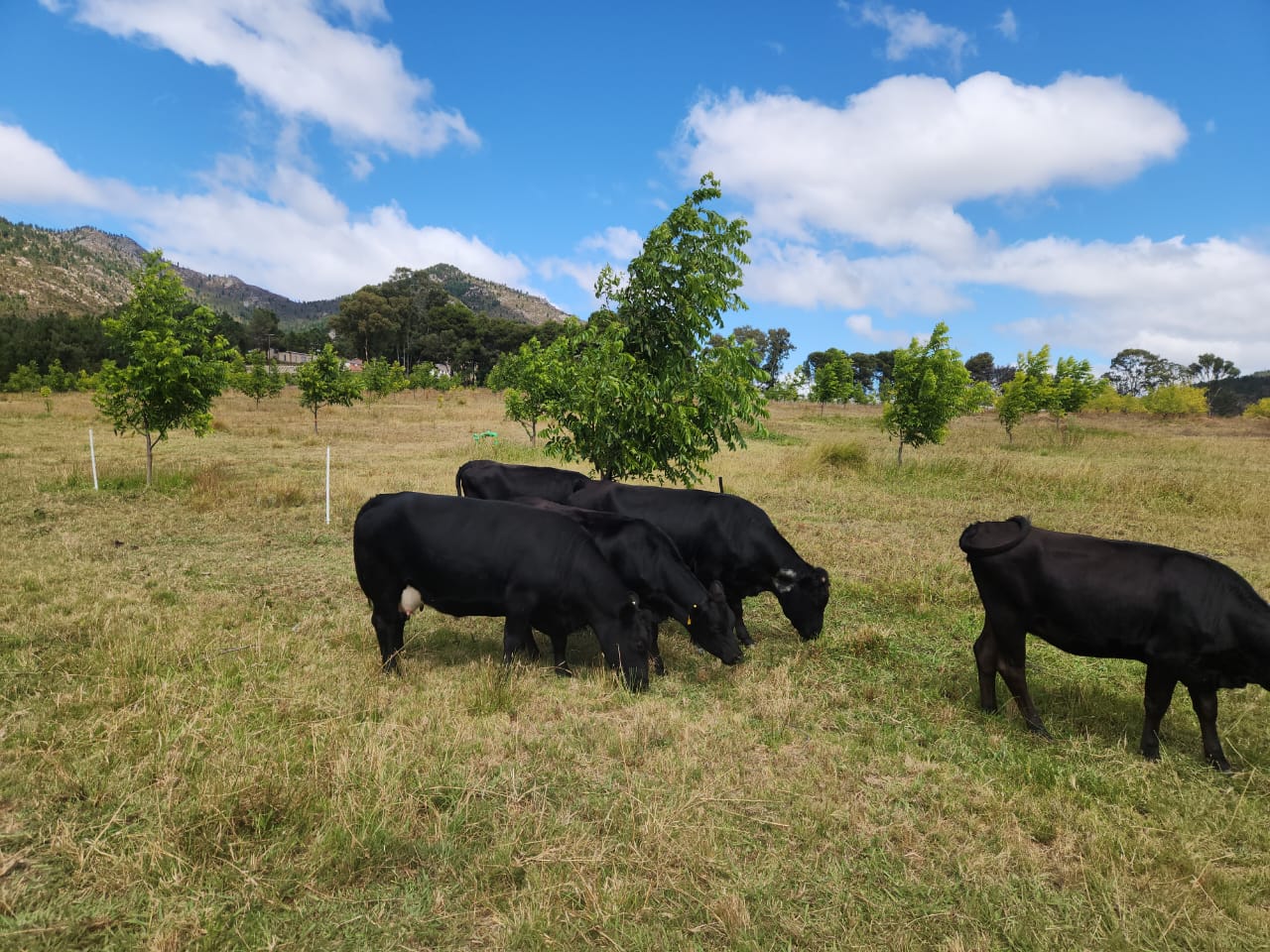
The threat of on farm contamination from biological food safety risks in pecan remains a threat throughout the crop cycle and their management is an important concern, to processors, retailers and the consumer. The source of food safety hazards are not limited to activities within the orchard. As such the activities on adjacent fields or properties may contaminate your orchards. Domestic, farm and wildlife animals with unrestricted access to orchards can carry and spread microbes. The improper use of manure as a soil amendment can be the source of pathogens. Water, especially from off-site supply such as shared irrigation canals, rivers or dams may be a source of harmful bacteria, such as Salmonella and E. coli. Unhealthy employees as well as those with cuts or abrasions, can transmit disease-causing pathogens during crop handling. Tools and mobile equipment, when not cleaned regularly prior to use, and movement to and between orchards can spread pathogens. Bacterial contamination of nuts shaken to the ground is well documented especially from prolonged contact with soil or when the soil is excessively wet during harvest.
Microbial contamination that results in unsafe food may have many more sources than mentioned here. Heightened focus has been placed in the past two decades on the prevalence and prevention of microbial food safety risks in a multitude of foodstuffs. Prevention must begin on farm and continue through to the processor and handler operations. Current pasteurization methods used in nut processing will not necessarily eliminate all potential microbial food safety hazards. Therefore, it is critical that Good Agricultural Practices are in place to ensure the contamination load on pecan nuts is at a level low enough to ensure that pasteurization method can be more effective. Processors are subject to standards for Good Manufacturing Practices and receiving nuts free of food safety hazards will certainly assist the delivery of a safe product to the consumer.
Chemical contamination and specifically those from crop protection use will be dealt with in depth in a next instalment as compliance with correct use practices are a significant requirement in export requirements and GAP. Correct product choice for intended purpose and timing, adherence to label instructions and seeking advice from the product supplier in case of uncertainty are your priorities to ensure compliance with maximum residue requirements.
Pecans can be considered a low moisture food due to their natural in shell drying process. However, poor management practices can raise the in-field and at harvest risk of exposure to potential food safety hazards.
To date a microbial foodborne illness have been attributed to a variety of tree nuts such as almonds, walnuts, cashews, Brazil nuts and hazelnuts. Pecan nuts have not been associated to the same level with foodborne disease outbreaks, but orchard conditions before and after the harvest indicate there is the potential for introduction of food safety hazards. Contamination of in-shell pecans can occur pre-harvest, at harvest and during postharvest handling and processing. During rainfall, the shucks surrounding pecans get wet along with the nut. The nutrient-rich shucks provide a suitable environment for microbial growth. Salmonella can survive for several weeks, making this one of the favoured routes for contamination. During harvesting, pecan tree nuts are shaken off, or the nuts are naturally allowed to drop on the ground. They can remain there for several days until collected. The nut absorbs moisture from soil that can be potentially contaminated with bacteria from rodent as well as wild and domestic animal faeces, inadequately composted manure, irrigation or runoff water from land grazed by livestock. Additionally, worker health and hygiene in orchards and processing areas also play an important role in maintaining the safety of pecans.
It is generally believed that intact shells on nuts protect the product from any microbial contamination. However, it has been reported that pathogen contamination of nuts can occur when shells appear to be completely intact. The nut shell is prone to micro cracks during harvest and postharvest handling, which can expose the edible nut and increase the potential for pathogen contamination.
Following a standardized GAP at farm-level should equip the producer to eliminate or minimize food safety hazards through better practices and support free trade in local and export markets.
In the next instalments of this series we will start exploring the various elements of GAP that support practices to eliminate or minimize the presence of food safety hazards.
Related Posts