When SAPPA first shared Ebrahim Mohamed’s story in February 2023, it introduced readers to a…
Moving forward with Good Agricultural Practice
This is the first in a series of articles clarifying the need and drivers for Good Agricultural Practice (GAP) and providing some clarification and guidance on its main elements and their on-farm management.
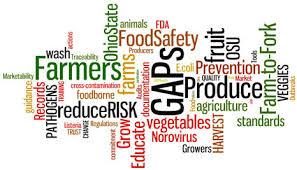
Modern consumers want more than just reliable and constant access to food for a balanced diet. They increasingly require assurance that what they eat is safe, produced in a responsible manner by growers who are committed to a safer environment and maintain the welfare of their workforce. This requirement from consumers has driven agriculture beyond traditional farming practices toward structured approaches that prioritize safety and sustainability. The intention of GAP is not to present the grower with a rigid regulation, but rather with a set of science-based principles and operational guidelines that are designed to ensure that agricultural production is safe, sustainable, and of consistent quality. They encompass the entire pre-harvest phase of the food chain, addressing key risk areas such as soil management, water quality, use of agrochemicals, worker hygiene, and environmental stewardship. The primary objective of GAP is to prevent, minimize, and control biological, chemical, and physical hazards at the source, thereby reducing downstream food safety risks. By embedding preventive controls and traceability into primary production systems, GAP forms a critical foundation for farm-to-fork food safety and supports compliance with regulatory and market requirements.
The process of setting a GAP standard draws from a wide knowledge base assessing hazards, minimising hazards and risks and sustainable practices in a specific farming industry. This in turn will present a flexible framework that sets achievable objectives irrespective of the size and complexity of a specific farming operation. The objective of GAP is not to penalize but rather guide and support growers to meet the set expectations while maintaining a profitable business.
The success and acceptance of GAP is from the onset to be accessible and achievable through a stepwise process. Over time additional layers, if applicable are introduced broadening the scope. Participation in global trade can bring greater gains and opportunities for growers and following GAP is essential in securing broad market access.
The success of GAP relies on four core principles which when successfully implemented will support long term viability of the farming operation in supplying quality commodities that meet the requirements of local and export markets.
Firstly Economic Viability which underlines how effective the productive farm land is used. Proof of this is through maintenance of farm management reviews, annual reports and financial plans. In all of these updated and systematic documentation is critical. The intention is to prove that the farm is managed for long term viability, in a financially sound manner with strategic objectives. Evidence of this is critical and will rely heavily on documentation and record keeping of all activities and transactions related to farming operations.
Care for the environment is no longer just a buzz word but has become increasingly relevant in many business sectors that rely on or impact on natural resources. The proof of maintaining Environmental Stability lies in all activities that sustain and improve the natural resource base. Some of the major requirements are:
- Show reasonable care in avoiding or repairing degradation to soil, vegetation, water sources.
- Waste management programs.
- Selecting, managing and recording the application of fertilizers, stimulants and remedies to minimize potential negative impact on the environment.
- A water management plan to optimize water usage and reduce waste.
Any farming enterprise is highly dependent on a functional work force. The Social Responsibility requirements under GAP measures how well the cultural and social needs in a society are met. An essential way of practicing this principle is to protect the agricultural workers’ health from hazards brought on by the improper use of chemicals, pesticides and related products. Above all the workforce should be trained and have appropriate knowledge, skills and allocated responsibilities for their respective roles. If this need is well-met, the farm workers can play an essential role in compliance with GAP.
Maintaining a high level of Food Safety and Quality has become a major element in the visible outcomes of implementing GAP. This entails applying management practices that will ensure optimal yields that are safe together with acceptable nutritional quality. Past experience, optimal crop management knowledge and judicious use of input resources provide the grower with a high level of control over crop quality. However food safety hazards may be introduced from various sources and control of these starts in the field and has relevance across all farming activities. The adage of “from farm to fork” applies.
In the next instalment food safety hazards relevant to pecan nuts will be explored as well as how farming activities should be managed to minimize the risk of relevant food safety hazards.
– Anelich Consulting
Related Posts