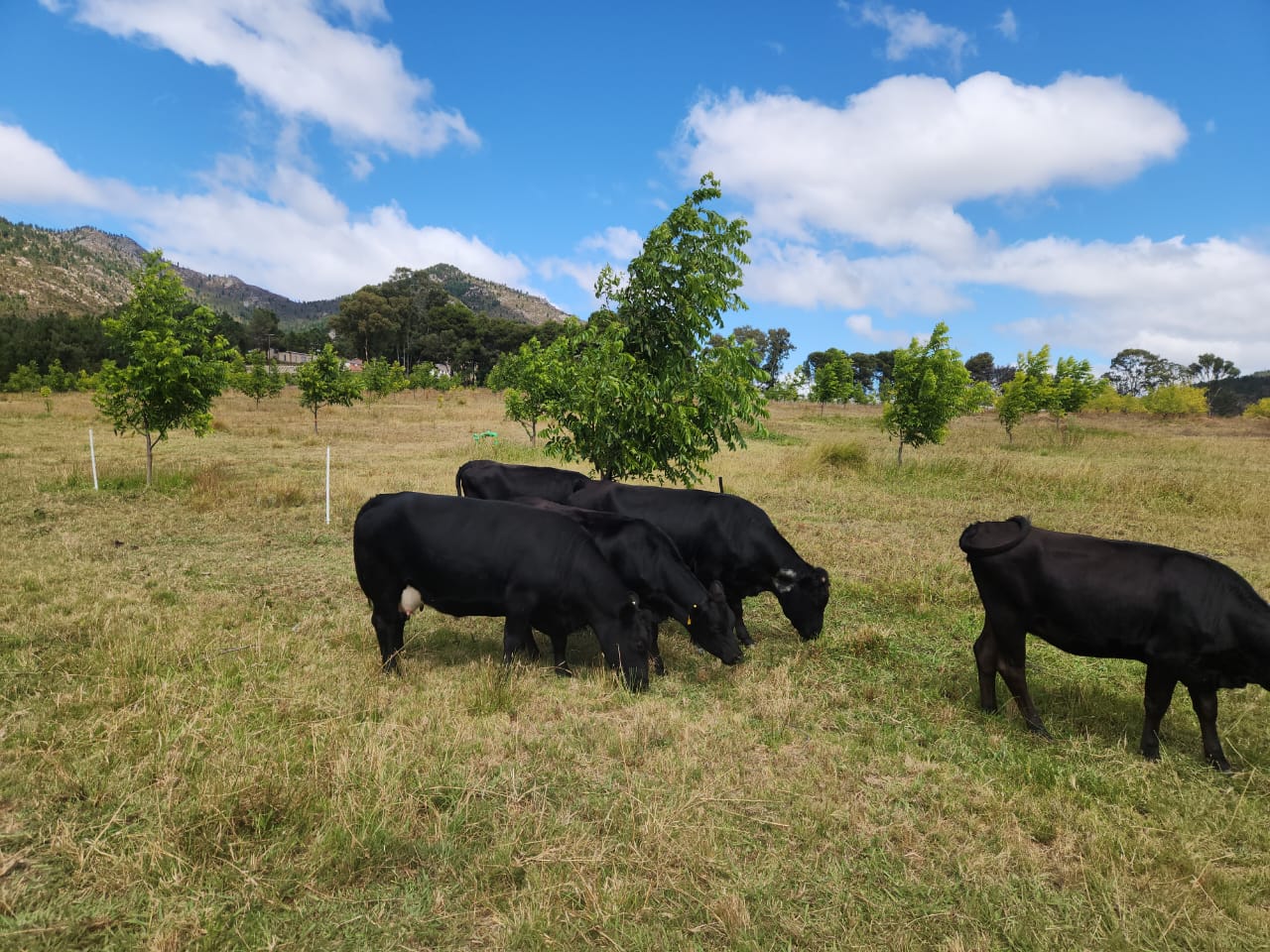
When SAPPA first shared Ebrahim Mohamed’s story in February 2023, it introduced readers to a…

Nickel (Ni) in Pecan Production
Summary: The Importance and Role of Nickel in Pecan Nut Trees
-
Introduction to Nickel in Soil and Plants
Nickel (Ni) is an essential micronutrient for plants, including pecan trees, despite its low physiological requirement. It plays a critical role in various morphological and physiological functions, including seed germination, growth, productivity, and resistance to pests and diseases (Deng et al., 2018; Fertasa, 2021; Genchi et al., 2020). Understanding the sources, behaviour, availability, and impact of nickel in soils and plants is vital for managing the health and productivity of pecan trees.
-
Sources and Distribution of Nickel in Soil
Nickel originates naturally from the weathering of parent materials such as mafic and ultramafic rocks, sediments, and phosphate-bearing minerals like serpentine soils, which are rich in Ni (El-Naggar et al., 2021; Rabinovich et al., 2024). Other natural sources include wind-blown dust, forest fire ash, and volcanic activity (Genchi et al., 2020; Rabinovich et al., 2024). The anthropogenic contribution of Ni in soils is often attributed to human activities, primarily through the atmospheric deposition of particulate matter from fossil fuel combustion, coal, oil, and waste incineration, as well as proximity to copper-nickel (Cu-Ni) smelting plants (Genchi et al., 2020; Rabinovich et al., 2024). Fertilisers, especially phosphorus-based ones, and irrigation with contaminated water also introduce Ni into agricultural soils (Rabinovich et al., 2024). Regulatory limits on Ni content in fertilisers exist in some regions to mitigate excessive accumulation.
-
Nickel Behaviour and Availability in Soil
Nickel availability depends on soil properties, including pH, cation exchange capacity (CEC), soil organic matter (SOM), calcium carbonate content, topography, and the presence of competing metal ions (Kumar, 2023). The solubility and mobility of Ni increase with decreasing soil pH and ion exchange capacity, making acidic soils more conducive to Ni uptake (Kumar, 2023). Conversely, alkaline calcareous soils (pH > 7.5) limit Ni availability to pecan trees by reducing root absorption (Acevedo-Barrera et al., 2022; Moran-Duran et al., 2020). Soil redox conditions also influence Ni mobility (Rinklebe and Shaheen, 2017). Sorption-desorption dynamics of Ni, especially Ni²⁺, are largely controlled by soil pH and the availability of sorption sites, primarily Fe oxide surfaces (Rabinovich et al., 2024). Soil moisture and microbial activity further modulate these processes.
The average Ni concentration in the Earth’s surface is approximately 20 mg kg⁻¹, with soil Ni ranging from 0.2 to 450 mg kg⁻¹ (Francy et al., 2020; Rabinovich et al., 2024) . Agricultural soils typically contain 3 to 1000 mg kg⁻¹ Ni, while permissible limits are generally set at 35 mg kg⁻¹ for soil and 0.02 mg L⁻¹ for water (El-Naggar et al., 2021). In South Africa, soil Ni limits have been debated, with suggestions to raise permissible levels up to 50 mg kg⁻¹ (Steyn et al., 1996). Plant Ni concentrations are usually low (0.01 to 5 mg kg⁻¹) but critical for metabolic functions (Deng et al., 2018).
-
Role and Importance of Nickel in Plants and Pecan Trees
Nickel is essential for plant metabolism through its role in Ni-dependent enzymes, notably urease, which is involved in nitrogen metabolism (Ojeda-Barrios et al., 2016; Rabinovich et al., 2024). Despite the low requirement (<0.001 mg·kg⁻¹), Ni influences seed germination, growth, productivity, and stress resistance, acting as a fungicide and mitigating biotic stress (Fertasa, 2021; Genchi et al., 2020).
Nickel is important for pecans throughout their life cycle (Fertasa, 2021). Pecan trees are ureide-transporting species requiring Ni for proper urea metabolism (de Oliveira et al., 2022; Moran-Duran et al., 2020) . Nickel affects sap composition in the xylem (de Oliveira et al., 2022), is a necessary catalyst for certain enzyme reactions, and is involved in complexation with proteins and peptides (Fertasa, 2021), particularly urease (Ojeda-Barrios et al., 2016). Nickel is crucial throughout the pecan life cycle, and deficiency can be fatal.
-
Nickel Uptake, Transport, and Storage in Plants
Nickel uptake occurs mainly through roots via active or passive transport and, to a lesser extent, through foliar absorption (Rabinovich et al., 2024). Once absorbed, Ni²⁺ is transported via the xylem to shoots and leaves and translocated by the phloem to buds, fruits, and seeds (Deng et al., 2018). It is predominantly stored in roots, with distribution patterns varying among species. In leaves, Ni is sequestered in non-active compartments such as vacuoles and the apoplast to mitigate toxicity (Deng et al., 2018).
-
Impacts of Nickel Deficiency and Excess in Pecan Trees
Nutrient sufficiency ranges for Ni in pecan leaves vary by region and orchard type. Generally, a leaf Ni concentration above 2.5 mg kg⁻¹ is considered sufficient, with normal ranges between 8.5 and 14.2 mg kg⁻¹ (Moran-Duran et al., 2020; Smith et al., 2012). Variation exists due to environmental conditions, tree tolerance, and alternate bearing behaviour (Acevedo-Barrera et al., 2022). South African producers currently rely on US-based norms, shown in Table 1 (Fertasa, 2021).
Table 1: Nickel leaf norms for pecan in two states in the southern US (adapted from Fertasa (2021)
| Element | New Mexico (mg kg⁻¹) | Arizona (mg kg⁻¹) |
| Ni | >2.5 | 8.5–14.3 |
Deficiencies may occur despite adequate soil Ni levels due to factors such as nematode damage, cool or dry soils, excessive zinc (Zn) or Cu levels, and glyphosate use (Rabinovich et al., 2024; Wood, 2013). Zinc and iron (Fe) excess can antagonize Ni uptake (Hereema, 2013; Wood, 2013). This is problematic since pecan trees require substantial Zn, often supplemented via foliar sprays, especially in alkaline or sandy soils prone to Zn deficiency (Hereema, 2013).
Pecan trees and foliage often exhibit visible Ni deficiency symptoms (Wood, 2013). “Mouse ear” describes the severe developmental disorder presented by young leaves of pecan trees (de Macedo et al., 2016), which is caused by the disruption of the metabolism of ureides, amino acids, and organic acids, as well as the citric acid cycle (Acevedo-Barrera et al., 2022; Miller and Bassuk, 2022; Ojeda-Barrios et al., 2016), and can result in pecan tree death (de Oliveira et al., 2022). This disease is triggered by an Ni deficiency and is characterized by small, roundish leaflets (Moran-Duran et al., 2020; Ojeda-Barrios et al., 2016). Mouse ear disorder often occurs in orchards grown on sandy soils with a high pH at the time of replanting (Miller and Bassuk, 2022), and disease proliferation appears more prominent in sub-tropical areas with high rainfall (Oberholzer, 2022).
Another disorder related to pecan deficiency is water stage fruit split, characterised by a split along the length of the shell (Moran-Duran et al., 2020). The affected nuts drop prematurely, typically occurring after periods of heavy rain and high humidity (Moran-Duran et al., 2020). Research has shown that under Ni deficiency, pecan branches and shoots also exhibit visible symptoms of brittleness, easily breaking by hand or in the presence of high winds (Moran-Duran et al., 2020). Another Ni-deficiency consequence is that the pecan sap shows increased citrulline and allantoic acid (de Oliveira et al., 2022), and it influences the composition of xanthine, asparagine, and beta-phenylethylamine in the sap of the xylem (Ojeda-Barrios et al., 2016).
Elevated Ni concentrations in soils can be harmful to plants, animals, microorganisms, and the environment itself (Rabinovich et al., 2024; Rinklebe and Shaheen, 2017), and Ni (II) is more toxic in its cationic form than in complexes (El-Naggar et al., 2021). At very high levels, Ni can alter the metabolic activity of plants by inhibiting enzymatic activity, photosynthetic electron transport, and chlorophyll biosynthesis (Genchi et al., 2020). Other Ni toxicity symptoms in plants that have been reported are low nutrient uptake, nutrient imbalances, reduction in seed yield, decreased stomatal conductance, and decreased chlorophyll in the leaves of coffee and soybean (de Macedo et al., 2016).
-
Management Strategies for Nickel in Pecan Cultivation
Managing Ni requires balancing its narrow range between deficiency and toxicity (de Macedo et al., 2016). Foliar Ni fertilisation in spring or autumn is an effective remedy for deficiency, often integrated into nutrient programs to enhance pecan yield and quality (Acevedo-Barrera et al., 2022; Hereema, 2013). Chelated micronutrients improve Ni bioavailability (Rabinovich et al., 2024). Phytoremediation using hyperaccumulating plants provides a biological method for addressing Ni excess by extracting metals from contaminated soils (Deng et al., 2018; Genchi et al., 2020). Proper soil management, including maintaining an optimal pH to enhance Ni availability, is crucial. Caution is necessary when applying Ni fertilizers to avoid toxicity.
References
Acevedo-Barrera, A.A., Cruz-Alvarez, O., Hernández-Rodríguez, A.O., Benavides-Mendoza, A., Orozco-Meléndez, R.L., Soto-Caballero, C.M., Escudero-Almanza, J.D., Ojeda-Barrios, L.D., 2022. Do foliar applications of nickel increase urease activity and nutrient levels in pecan leaflets? Plant, Soil and Environment 68, 129-136.
de Macedo, F.G., Bresolin, J.D., Santos, E.F., Furlan, F., Lopes da Silva, W.T., Polacco, J.C., Lavres, J., 2016. Nickel Availability in Soil as Influenced by Liming and Its Role in Soybean Nitrogen Metabolism. Front Plant Sci 7, 1358.
de Oliveira, J.B., Lavres, J., van der Ent, A., 2022. In Situ Analysis of Nickel Uptake from Foliar Application in Pecan Using Instrumental µXRF Analysis. Journal of Soil Science and Plant Nutrition 22, 1-9.
Deng, T.H.B., Ent, A.v.d., Tang, Y.T., Sterckeman, T., Echevarria, G., Morel, J.L., Qiu, R.L., 2018. Nickel hyperaccumulation mechanisms : a review on the current state of knowledge. Plant and Soil 423, 1-11.
El-Naggar, A., Ahmed, N., Mosa, A., Niazi, N.K., Yousaf, B., Sharma, A., Sarkar, B., Cai, Y., Chang, S.X., 2021. Nickel in soil and water: Sources, biogeochemistry, and remediation using biochar. Journal of Hazardous Materials 419, 126421.
Fertasa, 2021. Pecan Nuts, in: Schmidt, C. (Ed.).
Francy, N., Shanthakumar, S., Chiampo, F., Sekhar, Y.R., 2020. Remediation of Lead and Nickel Contaminated Soil Using Nanoscale Zero-Valent Iron (nZVI) Particles Synthesized Using Green Leaves: First Results. Processes 8, 1453.
Genchi, G., Carocci, A., Lauria, G., Sinicropi, M.S., Catalano, A., 2020. Nickel: Human Health and Environmental Toxicology. Int J Environ Res Public Health 17.
Hereema, R., 2013. Diagnosing nutrient disorders of New Mexico pecan trees. Guide H-658., in: College of Agricultural, C.a.E.S., New Mexico State University. (Ed.).
Kumar, J., 2023. Nickel availability, deficiency and toxicity in soils and plants: A review. International Journal of Applied Research 9, 265-272.
Miller, B., Bassuk, N., 2022. Supplemental Nickel Corrects Mouse Ear Disorder of Bitternut Hickory. Journal of Environmental Horticulture 40, 18-21.
Moran-Duran, S.A., Flynn, R.P., Heerema, R., VanLeeuwen, D., 2020. Leaf Net Photosynthesis, Leaf Greenness, and Shoot Lignin Content of Nonbearing Pecan Trees at Two Nitrogen and Nickel Application Rates. HortScience 55, 231-236.
Oberholzer, S., 2022. Investigating the potential income and future water
requirements of existing pecan orchards in the
Western Cape. Masters dissertation, Department of Horticultural Science, Faculty of AgriSciences. Stellenbosch University.
Ojeda-Barrios, D., Sánchez-Chávez, E., Sida Arreola, J., Valdez-Cepeda, R., Balandrán-Valladares, M., 2016. The impact of foliar nickel fertilization on urease activity in pecan trees. Journal of soil science and plant nutrition 16.
Rabinovich, A., Di, R., Lindert, S., Heckman, J., 2024. Nickel and Soil Fertility: Review of Benefits to Environment and Food Security. Environments 11, 177.
Rinklebe, J., Shaheen, S.M., 2017. Redox chemistry of nickel in soils and sediments: A review. Chemosphere 179, 265-278.
Smith, M., Rohla, C., Goff, W., 2012. Pecan Leaf Elemental Sufficiency Ranges and Fertilizer Recommendations. HortTechnology 22, 594-599.
Steyn, C.E., Van Der Watt, H.v.H., Claassens, A.S., 1996. On the permissible nickel concentration for South African soils. South African Journal of Science 92, 359-363.
Wood, B.W., 2013. Iron-induced Nickel Deficiency in Pecan. HortScience 48, 1145-1153.
Related Posts